 Insu-Lens AI
Scan Your Plate.
Advise Your Dose.
Insu-Lens uses computer vision to identify foods on your plate, estimate carbohydrate content, and recommend an insulin dose based on your settings.
Powered by AI
Insu-Lens uses on-device computer vision and machine learning to identify food, estimate carbs, and recommend insulin doses.
Instant Scanning
Point your camera at a plate to identify ingredients in real time.
Nutrient Mapping
Estimates carbohydrate, protein, and fat content for the detected meal.
Bolus Advisor
Translates the estimated carb content into an insulin dose suggestion using your settings.
Meal Log
Saves your meal entries and dose history so you can review patterns over time.
Inside Insu-Lens
A guided tour of the core modules and the clean, intuitive native interfaces of the app.
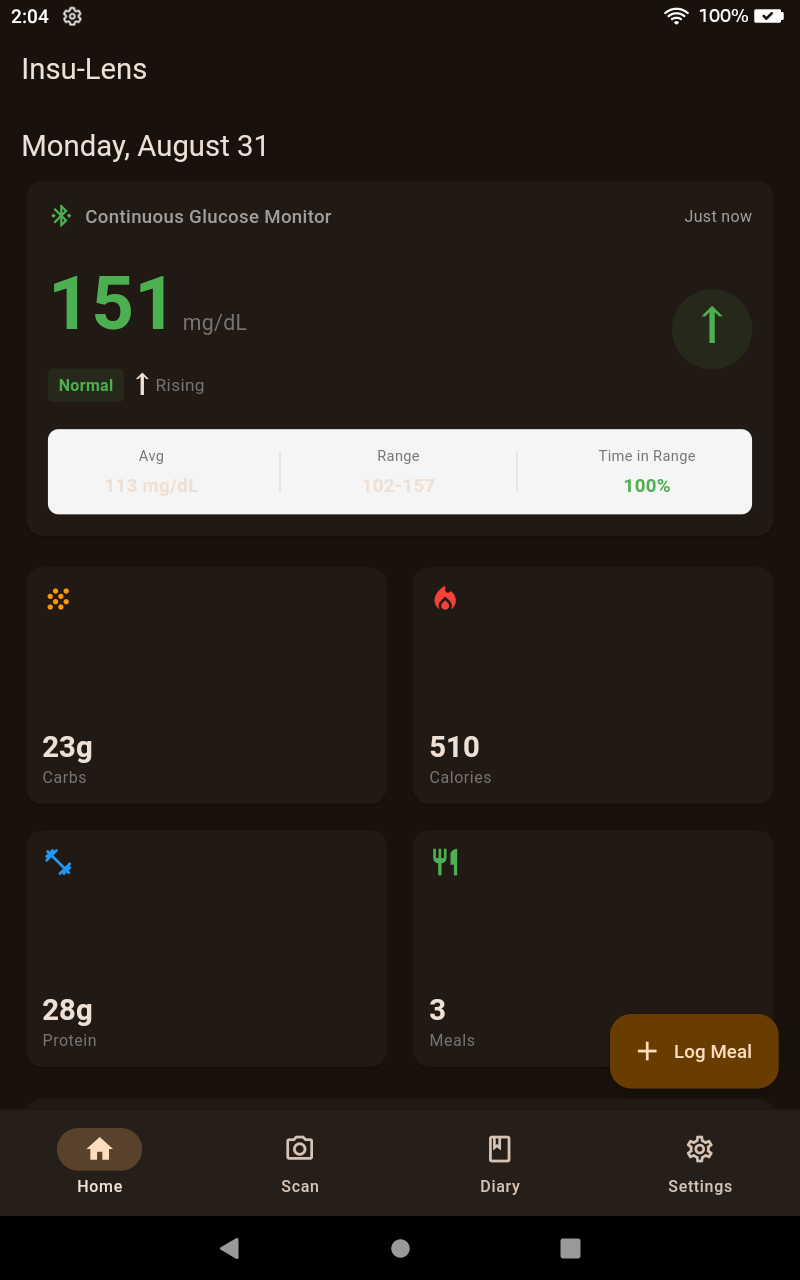
Quick Scan Mode Demo
Simulated scans of 4 sample meals
Experience Quick Mode
Watch how Insu-Lens behaves when pointed at different meals. The camera isolates the dish, the model estimates the volume and ingredient composition, and the app suggests an insulin dose based on your configured insulin-to-carb ratio.
- 1
Aim Camera
Center the plate within the scanning HUD overlay.
- 2
Automated Nutrient Analysis
AI estimates volume and calculates carbohydrate mass.
- 3
Bolus Recommendation
Confirm the suggested insulin units and save to your log history.
Meal Scanner Gallery
Click tabs to view the carb and insulin bolus details computed by Insu-Lens for sample meals.
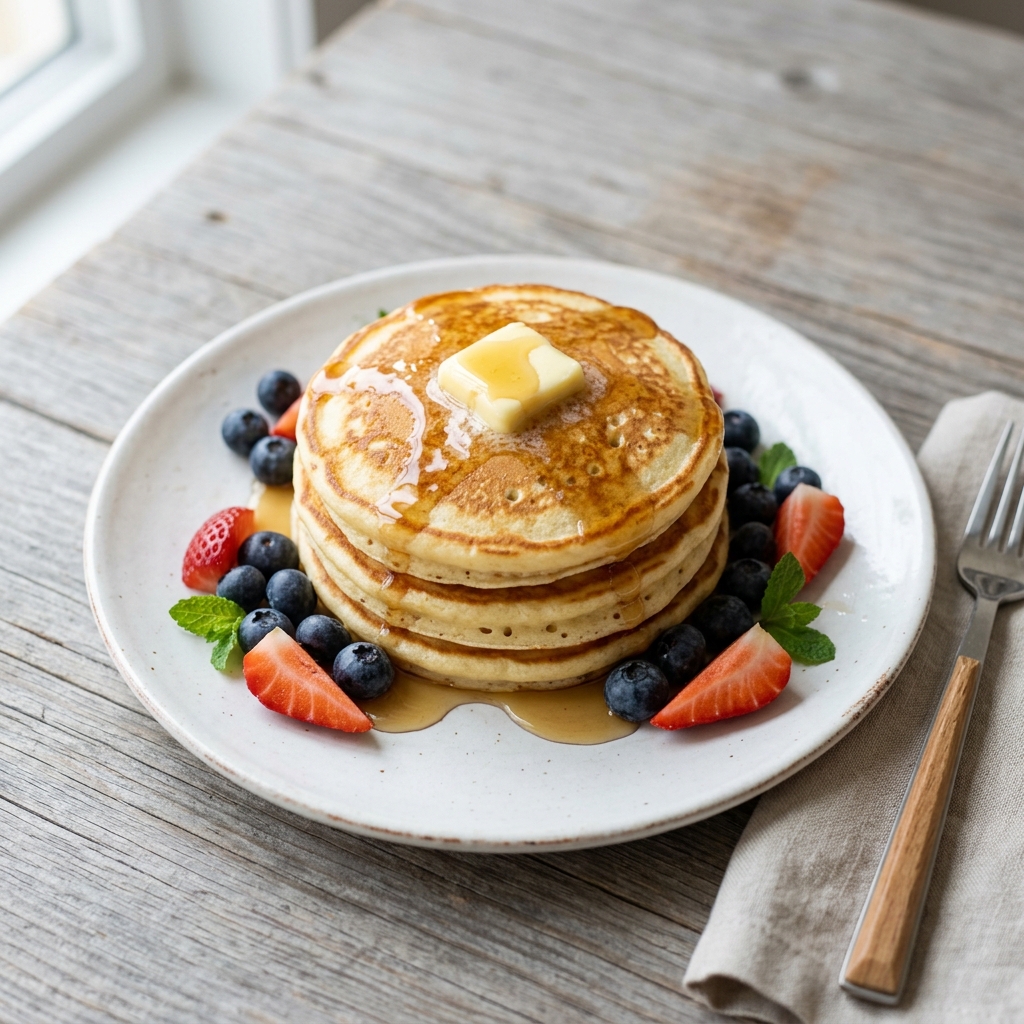
Buttermilk Pancakes
Stacked pancakes with berries and maple syrup. Higher carbohydrate profile; verify portion size before dosing.
Sample values for illustration. Always verify with your healthcare provider.
Frequently Asked Questions
Important clinical and technical guidance for Insu-Lens users.
How accurate is the food recognition scanner?
Insu-Lens uses computer vision models trained on a large library of food imagery to estimate food type and volume. Estimates are approximate; always verify them against the actual food on your plate, especially for complex mixed dishes or hidden dressings.
Can I adjust my Insulin-to-Carbohydrate Ratio (ICR)?
Yes. In Settings, define your insulin-to-carb ratio (e.g., 1 unit per 10g of carbs) and your insulin sensitivity factor. Insu-Lens uses these values when suggesting doses.
Is Insu-Lens a medical device?
No. Insu-Lens is an informational tool that helps you log meals and estimate insulin doses based on your settings. It is not a medical device and is not a substitute for advice from your doctor or endocrinologist. Always follow the treatment plan prescribed by your healthcare provider. In a medical emergency, call your local emergency number.